Build time, breakdown, and budget: What to expect from temporary structures
In live events, time is one of the most valuable resources. The speed and efficiency of temporary structure installation and dismantling directly affect venue costs, crew wages, and overall project budgets. Event organisers must understand operational timelines to schedule effectively and avoid costly delays.
Typical timelines and what affects them
A temporary structure’s timeline depends on the sequence and interdependencies, not just the structure itself.
- The envelope first: Structures must generally be erected before internal electrics, AV, flooring, or branding elements can be installed. Delays in structure sign-off create a domino effect, affecting all downstream contractors.
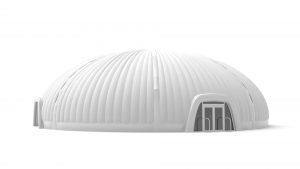
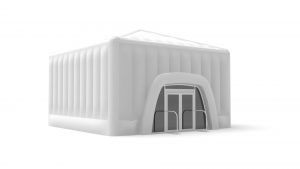
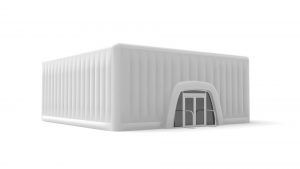
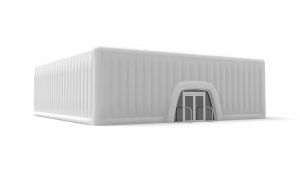
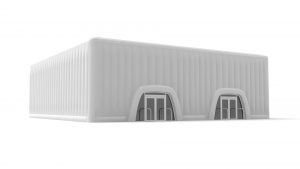
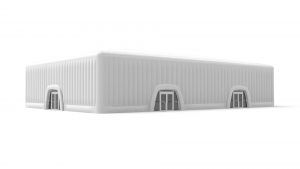
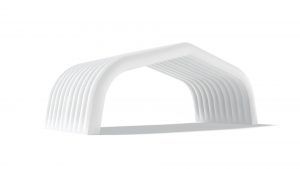
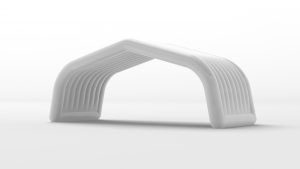
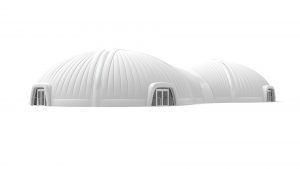
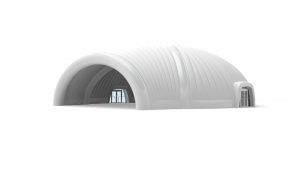
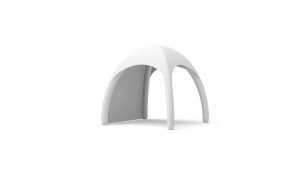
- Structure type: Large-frame marquees typically take 2–3 days to erect, while comparable air-supported or inflatable structures can be inflated and secured in a few hours, significantly shortening build windows.
UK context: The Purple Guide outlines strict sequencing and coordination requirements for safety and efficiency under CDM 2015 regulations.
US context: The Event Safety Alliance (ESA) and local AHJs expect a similar sequencing approach, including compliance with OSHA site-safety standards and coordination with venue management.
Site access, crew size, and sequencing
Operational efficiency starts before the first truck arrives.
- Access constraints: Suppliers need accurate “last mile” information. Can a 40-foot articulated lorry reach the site? Are there weight limits or overhead restrictions?
- Crew competency: Smaller, highly trained crews often complete builds faster than larger, less experienced teams. Under UK CDM 2015 or US OSHA regulations, principal contractors are responsible for verifying qualifications, including certification for plant machinery (e.g., IPAF, OSHA-certified operators).
Managing expectations with stakeholders
Breakdown or “de-rig” is not simply the reverse of the build; it is often more time-sensitive due to venue handover requirements.
- Site restoration: Budget for site make-good, particularly on sensitive surfaces such as grass, heritage sites, or concrete flooring.
- The efficiency dividend: Modular, lightweight, or pre-fabricated components reduce truckloads and on-site handling, lowering both time and logistics costs.
UK reference: HSE – Managing Health and Safety in Construction (L153)
US reference: OSHA – Construction and Demolition Standards (29 CFR 1926), including site logistics and personnel training
Download The Evolution Dome Pink Book and give yourself a trusted, practical reference you can rely on — before, during, and after your next event.